
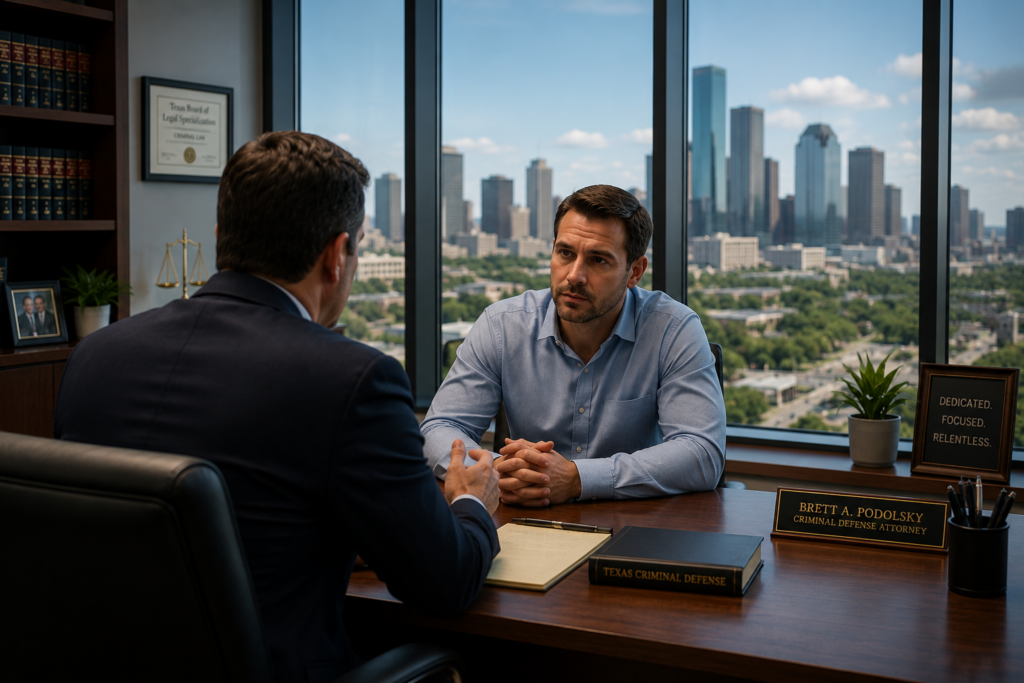
What Should I Do If Houston Police Want To Talk To Me?
If Houston police want to talk to you about an investigation, it is important to understand your rights before answering any questions.
Many people assume that speaking with investigators will help clear up a misunderstanding. However, what you say during an interview can become part of a criminal investigation and may later be used against you.
Whether a detective calls you, leaves a business card at your home, sends you a message, or asks you to come to the station, knowing how to respond can help protect your future.
What Should I Do If Houston Police Want To Talk To Me?
SHORT ANSWER
If Houston police want to talk to you about an investigation, you should politely decline to answer questions until you have spoken with a criminal defense attorney. Anything you say may become part of the investigation, even if you have not been arrested or charged with a crime.
Many people believe that cooperating immediately is the best way to show they have nothing to hide. Unfortunately, investigations do not always work that way.
Police officers and detectives are trained to gather information. They may already have witness statements, text messages, surveillance footage, social media evidence, or other information before contacting you. Without knowing what investigators already believe happened, it can be difficult to judge whether answering questions will help or hurt your situation.
Speaking with an attorney first is the safest course of action.
Important: The fact that police want to talk to you does not necessarily mean you will be arrested. However, it does mean you should take the situation seriously.
Why Would Houston Police Want To Talk To Me?
SHORT ANSWER
Police may want to talk to you because you are a witness, a person of interest, the subject of a complaint, or someone they believe may have information about an investigation.
One of the biggest mistakes people make is assuming they know why law enforcement is contacting them. Investigators often reveal very little during an initial phone call. They may simply say they would like to ask a few questions or hear your side of the story. In reality, you may not know whether investigators view you as a witness, a suspect, or someone connected to another individual involved in the case.
Before speaking with police, it is important to understand the nature of the investigation and the potential consequences of providing information.
Should I Agree To Talk To The Police?
SHORT ANSWER
It is wise to consult an attorney before agreeing to an interview with police or detectives.
Law enforcement officers frequently tell people that they simply want to hear their side of the story. While that may be true, investigators are also looking for information that may support their case. A casual conversation can quickly become a recorded interview. Statements that seem harmless at the time may later be interpreted differently by investigators or prosecutors.
Speaking with an attorney before agreeing to an interview can help you understand your rights and avoid common mistakes.
Important: Once a statement is made to law enforcement, it cannot be taken back.
Research Spotlight
According to the National Registry of Exonerations, false confessions or incriminating statements have been identified as contributing factors in hundreds of wrongful conviction cases nationwide. Researchers have found that stress, lengthy questioning, and misunderstandings during police interviews can lead individuals to make statements that later become significant evidence in a criminal case.
What If I Am Innocent?
SHORT ANSWER
Even innocent people should be cautious about speaking with police without legal guidance.
Many people assume that innocence automatically protects them. Unfortunately, criminal investigations are often built around witness statements, misunderstandings, incomplete information, and conflicting accounts of events. People who are nervous may forget details, confuse dates, or make statements that sound inconsistent when compared with other evidence.
The issue is not whether you are innocent. The issue is whether your statements could be misunderstood or used against you later.
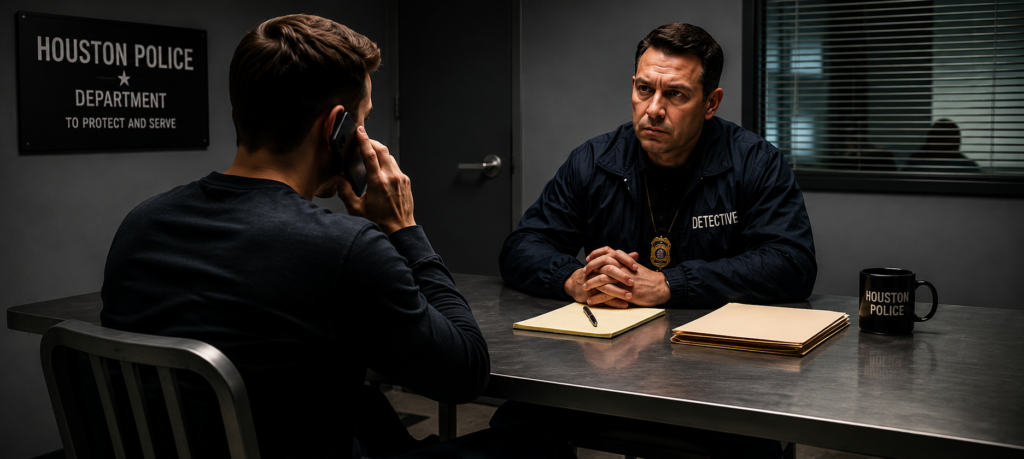
What If A Detective Calls Me?
SHORT ANSWER
Remain polite, but do not answer questions until you have spoken with an attorney.
A detective may call and ask if you would be willing to come to the station, meet at another location, or discuss an ongoing investigation. You are not required to answer questions during that phone call.
A simple response may be: “I would like to speak with an attorney before answering any questions.”
You do not need to explain yourself, defend yourself, or convince the detective that you have done nothing wrong.
What To Do Next
If a detective contacts you, write down the detective’s name, agency, phone number, and any information provided during the call. Then contact a criminal defense attorney before responding further.
What If Police Show Up At My Home?
SHORT ANSWER
Stay calm, be respectful, and avoid answering questions without legal counsel.
Many people feel pressured to cooperate when officers appear at their door. However, the same rights that apply during a phone call generally apply in person.
If officers attempt to question you, you may politely state that you would like to speak with an attorney before answering questions. Do not argue, become confrontational, or interfere with officers. Simply exercise your rights and seek legal advice as soon as possible.
Important: Never consent to a search unless you fully understand your rights and legal options.
Can Police Use What I Say Against Me?
SHORT ANSWER
Yes. Statements made to police may be used as evidence during a criminal investigation or prosecution.
Most people think of confessions when they hear this warning. In reality, investigators often focus on much smaller details. For example, prosecutors may later argue that:
- Your timeline changed.
- Your statements were inconsistent.
- You admitted being present at a certain location.
- You acknowledged knowing certain individuals.
- Your statements conflict with witness accounts or digital evidence.
Even comments that seem insignificant can become important pieces of a criminal case.
Can Police Lie During An Investigation?
SHORT ANSWER
Investigators are legally permitted to use deception during interviews in many situations.
Detectives may claim they have evidence they do not actually possess. They may suggest that another person has already implicated you or imply that cooperating will help your situation. These tactics are often used to encourage people to keep talking. Because of this, it is important not to assume that everything said during an interview is accurate or complete.
This is one reason many criminal defense attorneys recommend speaking with counsel before participating in any police interview.
What If Police Say They Just Want My Side Of The Story?
SHORT ANSWER
You should still speak with an attorney before agreeing to an interview.
Even if officers say they only want to hear your side of the story, anything you say can be used against you later. Speaking with an attorney first helps you understand your rights and avoid making statements that could be misunderstood or taken out of context.
An attorney can advise you on whether to speak with police and, if appropriate, be present during any interview.
What If The Investigation Involves A Sex Crime Allegation?
SHORT ANSWER
If a detective contacts you about a sex crime allegation, you should speak with an attorney immediately before answering questions.
Many sex crime investigations begin long before an arrest occurs.
Investigators frequently contact individuals and request voluntary interviews. They may suggest that the matter can be resolved quickly if you simply explain what happened.
Allegations involving sexual offenses often carry severe consequences, including prison time, damage to your reputation, and sex offender registration requirements. Because so much is at stake, obtaining legal guidance as early as possible is critical.
What To Do Next
If you believe an investigation involves a sexual assault allegation, online solicitation allegation, child pornography allegation, or another sex-related offense, contact an experienced Houston sex crimes attorney before speaking with investigators.
Research Spotlight
Many criminal investigations now involve digital evidence. According to the U.S. Department of Justice, electronic communications, social media activity, location data, and mobile device records increasingly play a significant role in criminal investigations and prosecutions.
Can I Hire A Lawyer Before Charges Are Filed?
SHORT ANSWER
Yes. It is one of the most important decisions you can make.
People often assume they need to wait until they are arrested before hiring an attorney.
In reality, the investigation stage is often when an attorney can have the greatest impact. An attorney may be able to communicate with investigators on your behalf, gather information about the allegations, and help prevent mistakes that could complicate your case. Waiting until charges are filed may limit some of the opportunities available early in the investigation.
Frequently Asked Questions
Do I have to talk to police if I’m not under arrest?
No. If you are not under arrest, you have the right to decline questioning and consult an attorney before speaking with investigators.
Can refusing to talk make me look guilty?
No. Exercising your constitutional rights does not make you guilty. Many criminal defense attorneys advise clients not to answer questions until they understand the nature of the investigation.
Should I meet with detectives alone?
No. Speaking with an attorney before meeting with detectives is advisable. An attorney can help determine whether an interview is appropriate and how to protect your interests.
What if I already talked to the police?
You should still contact an attorney as soon as possible. An attorney can review what occurred, evaluate the current status of the investigation, and discuss your legal options.
Can police arrest me if I refuse to answer questions?
Exercising your right to remain silent does not automatically justify an arrest. The decision to arrest someone depends on the facts of the investigation and the evidence available to law enforcement.
Should I hire a lawyer before charges are filed?
The decisions you make during the early stages of an investigation can have lasting consequences.
Attorney Brett Podolsky represents individuals facing criminal investigations throughout Houston, Harris County, and surrounding communities. If law enforcement has contacted you, speaking with an attorney before answering questions may help protect your rights and your future.
Contact Attorney Brett Podolsky today for a confidential consultation before speaking with investigators.
